Know-how
A profession made of choices.
This is the story of how a Mazzetti distillate is created: from the pomace arriving on the forecourt to the glass. A journey where every step is a choice, and every choice is made by a person.
The starting point
We are not indispensable.
Spirits don't respond to a basic human need. They respond to a need for emotion: a moment, a memory, something that lingers when the glass is empty—and it's the first thing that comes to mind when you want to share it with someone.
This is why each of our products begins there: from what it is meant to make you experience, even before starting from a recipe.


It all starts very fresh
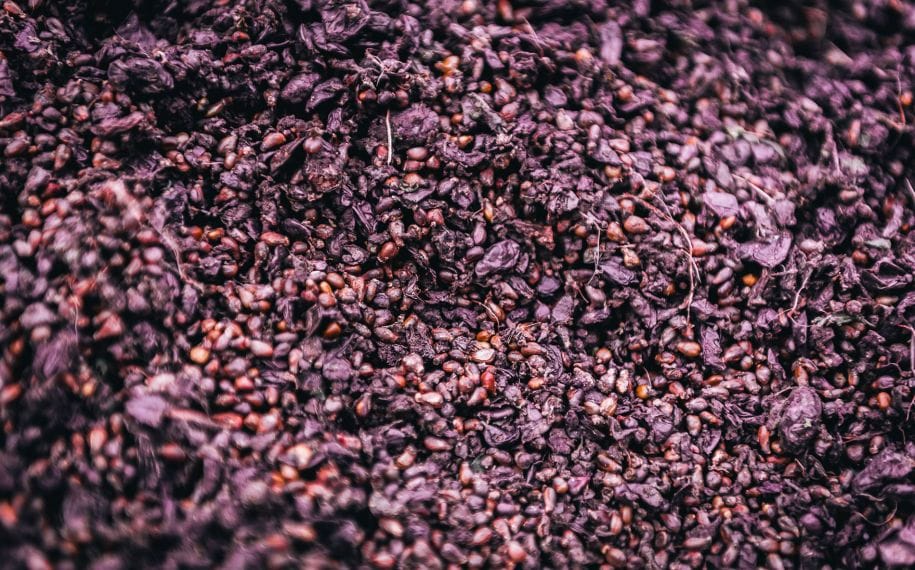
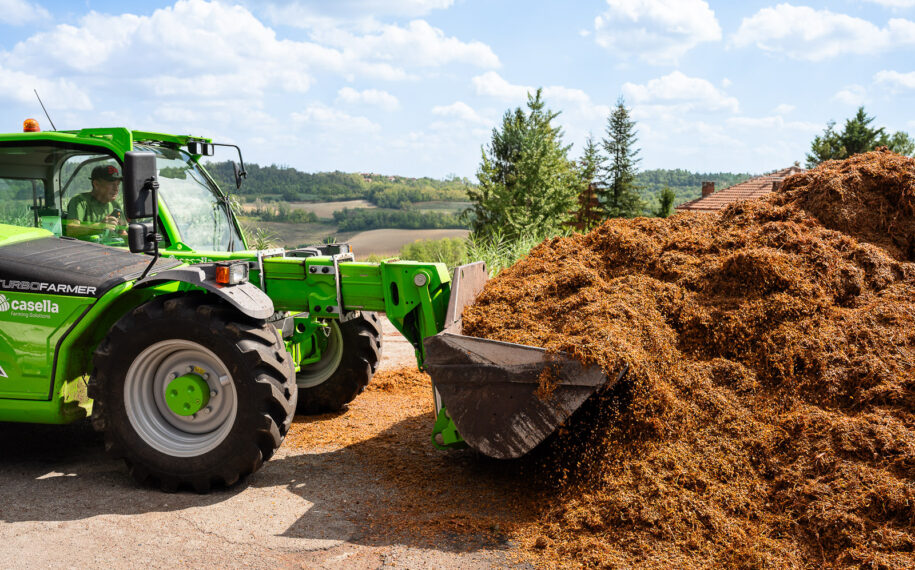
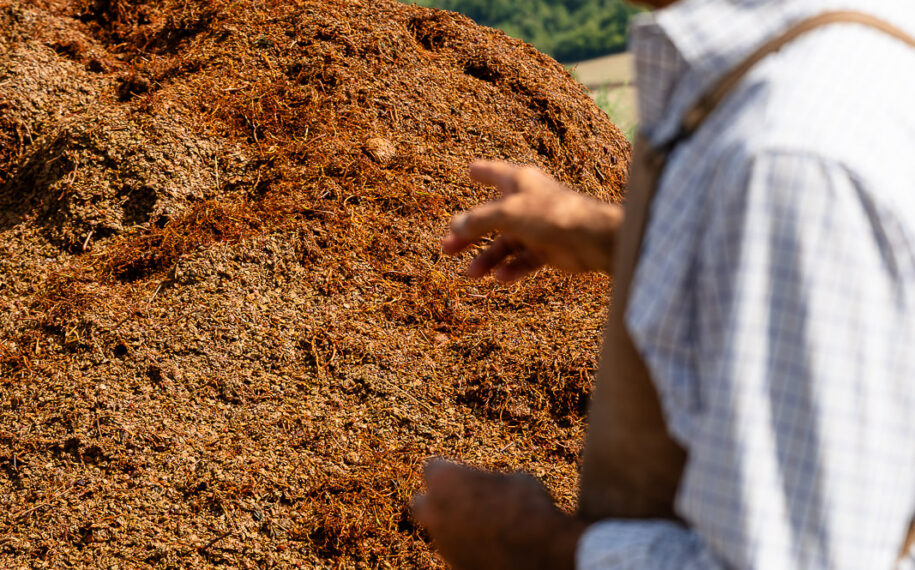
Our pomace is exclusively Piedmontese and arrives from cellars less than an hour from the distillery, within 48 hours of pressing, vacuum-packed to preserve all the aromas.
Each grape variety is worked individually—Moscato, Nebbiolo for Barolo and Barbaresco, Barbera, Arneis, Grignolino, Brachetto, Dolcetto, Cortese, Erbaluce, Ruchè, and Malvasia di Casorzo—because each has a different soul, and deserves a different grappa.
from the cellar
from the pressing, preserved under vacuum
at a time: each one worked alone
The square
The route is decided upon arrival.
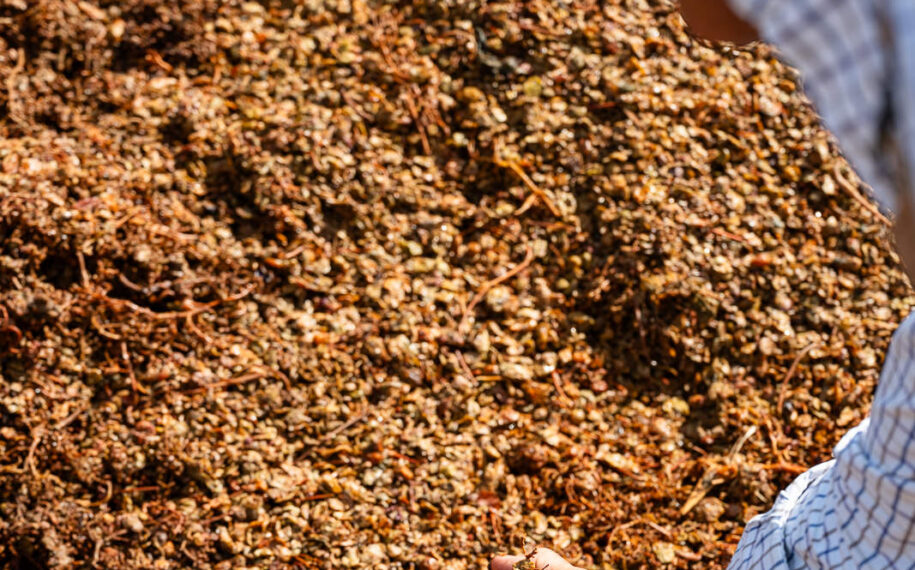
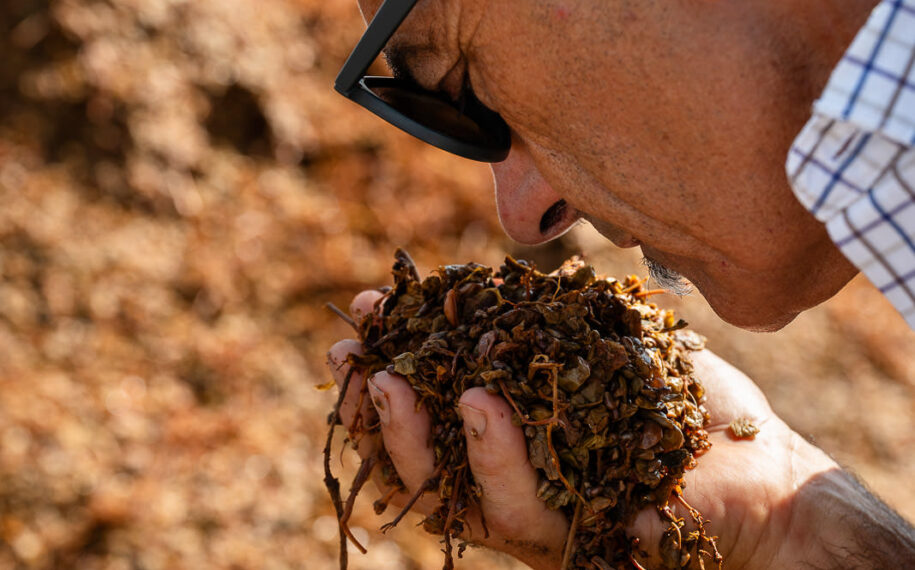
The pomace is smelled as soon as it's unloaded. That's when you understand what it can become, and decide how to treat it: a great pomace isn't treated like any other pomace. And the sooner it's distilled, the more quality remains in the glass.
01 · White pomace
It arrives to ferment.
Fermentation must be started immediately and carefully monitored: it determines the aromas and cleanliness of the distillate. In hot years, when the fermentation is already dry, it is brought back to the right level of humidity before starting.
02 · Red pomace
It arrives already fermented.
The alcoholic part protects it, but it must be stored without oxygen, in containers that do not allow it to breathe: this way it maintains its characteristics intact while awaiting the still.
preserved without oxygen, without losing anything
Three methods, one hand
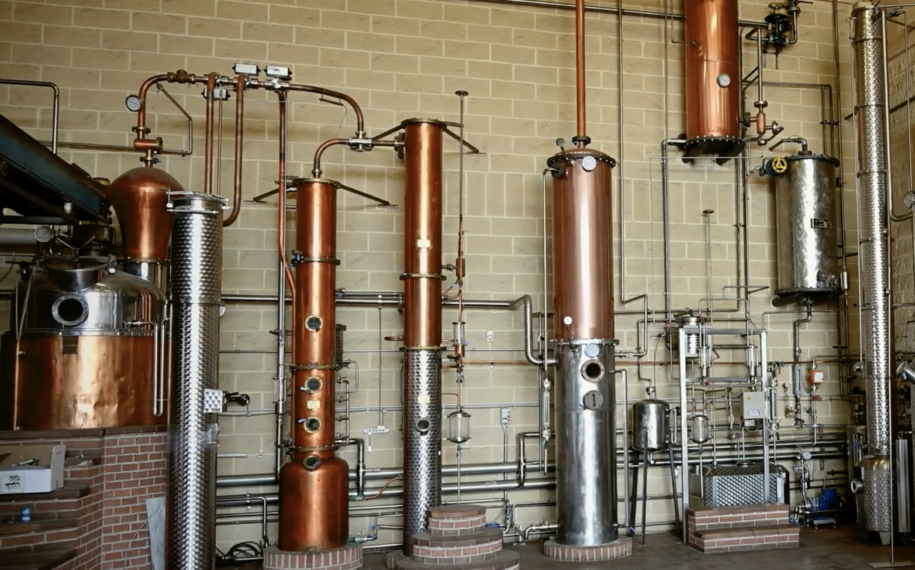
Bain-marie, direct steam, boiling, and double distillation, which first extracts a phlegm and then redistills it. These are the tools of every distillery: at the Antica Distilleria, we use them all, batch after batch, choosing the right one for each pomace.
Over the years, our facilities have grown with us: new stills alongside the historic ones, increased capacity without changing the way we work one iota.
Bain-marie
Indirect heat, for the most delicate products
Direct steam
The steam passes through the grape marc and carries away its essence
Boiling
The most direct method, for those who have structure to give
The choice
Never quantity over quality.
Today, the entire process could be automated. But a machine treats every pomace the same way: the average rises, the peaks disappear. We've chosen our nose, our experience, and the time to follow each batch for what it can become. Lower volumes, and the reserves that only then can be created.
Automated
The same parameters are adopted for each pomace.
The average rises, the peaks disappear.
Everything the same, day and night.
No reservations.
Choose
Every match treated for what it can become.
The nose decides, not the software program.
Lower volumes, on purpose.
This is where the reserves, peaks, and characteristics of the products that identify us come from.
No machine has a nose.
Head, heart, tail.
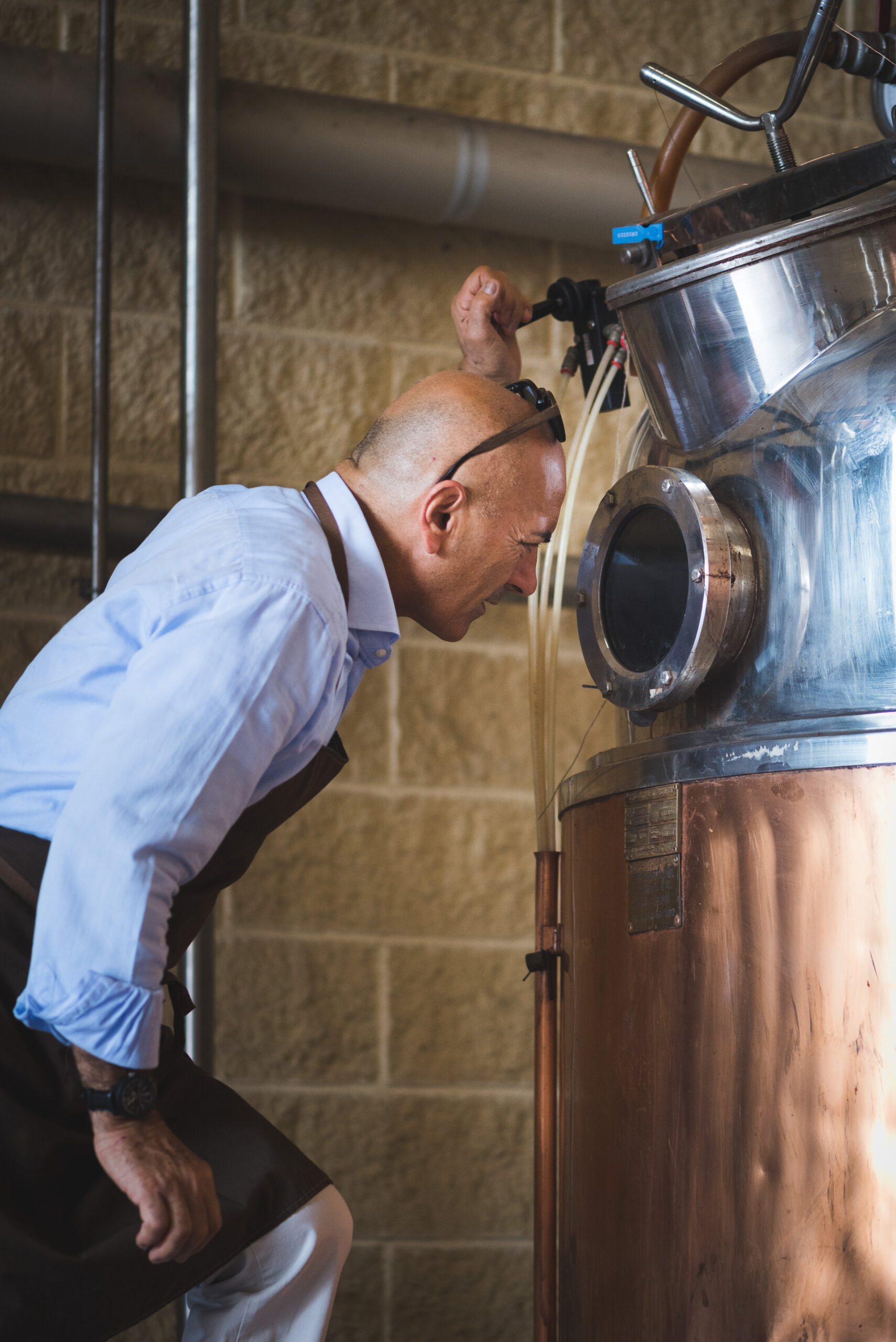
Distillation is separation: under heat, the substances separate, and the distillate takes with it only what is needed. From each brew, we keep only the heart: the purest part, isolated from the head and tail, which are discarded.
Where one ends and the other begins is decided by those at the still, drop by drop, with the experience of those who have learned from those who came before. This is where a good materia prima becomes a great distillate.


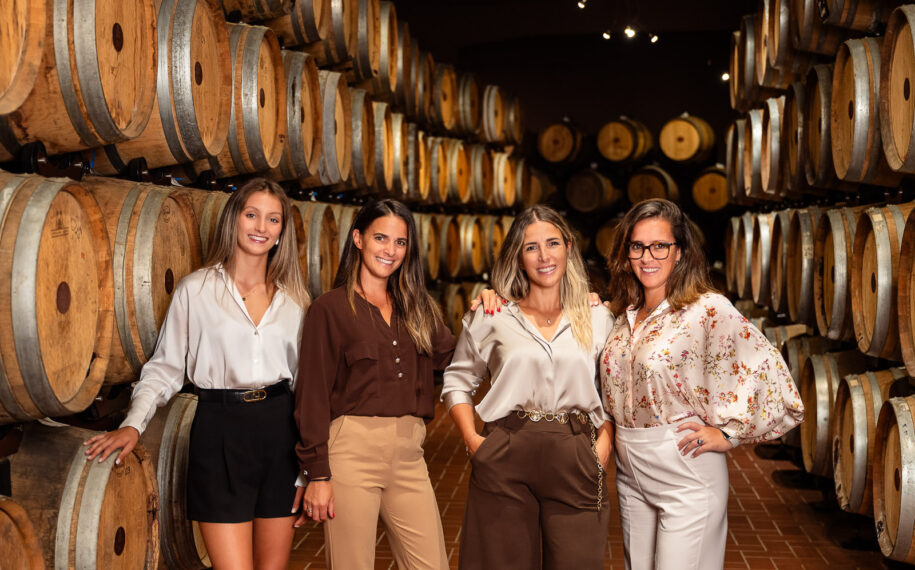
The Family Barrique Cellar.
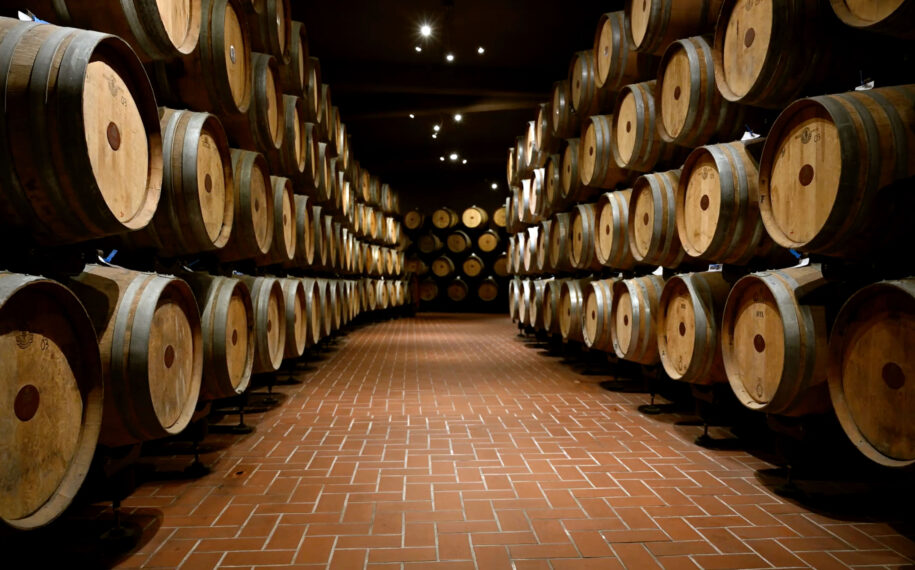
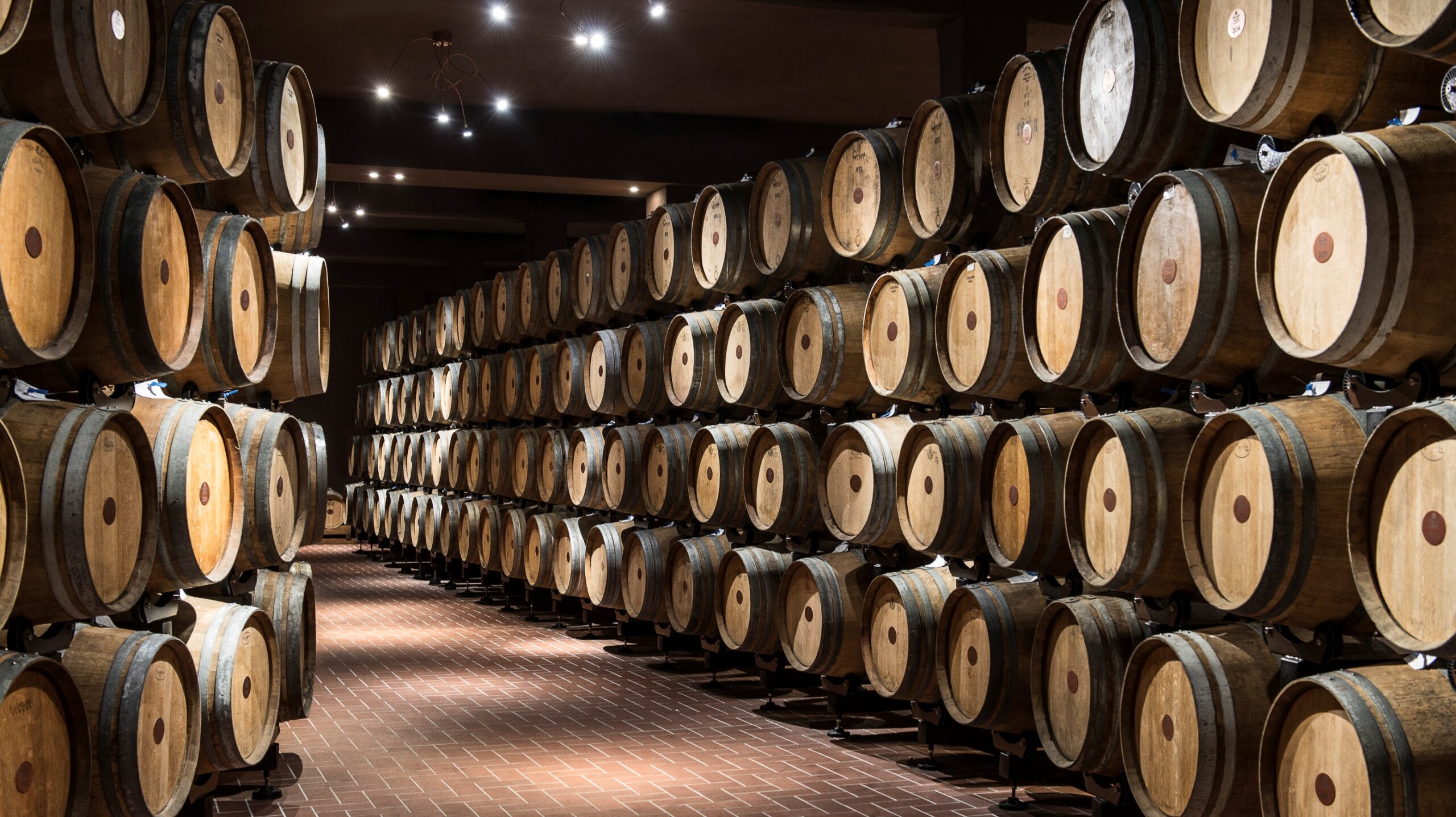
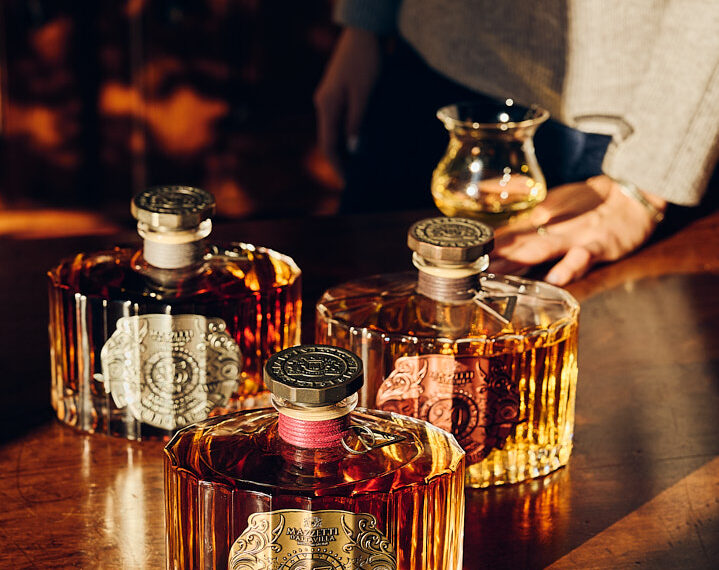
Beneath the hill, over three hundred barrels of fine wood preserve time: this is where our spirits rest, and where the wood releases aromas and color, and patience does its work.
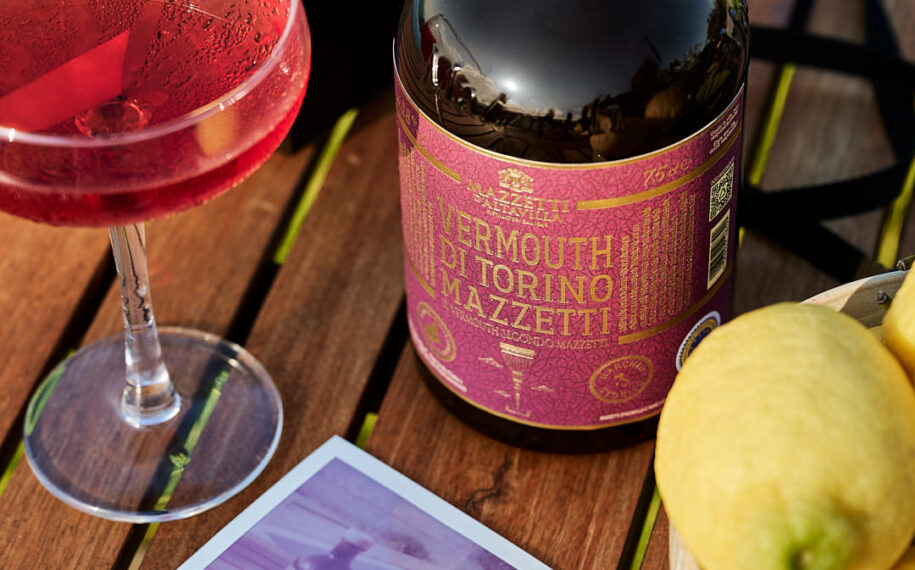
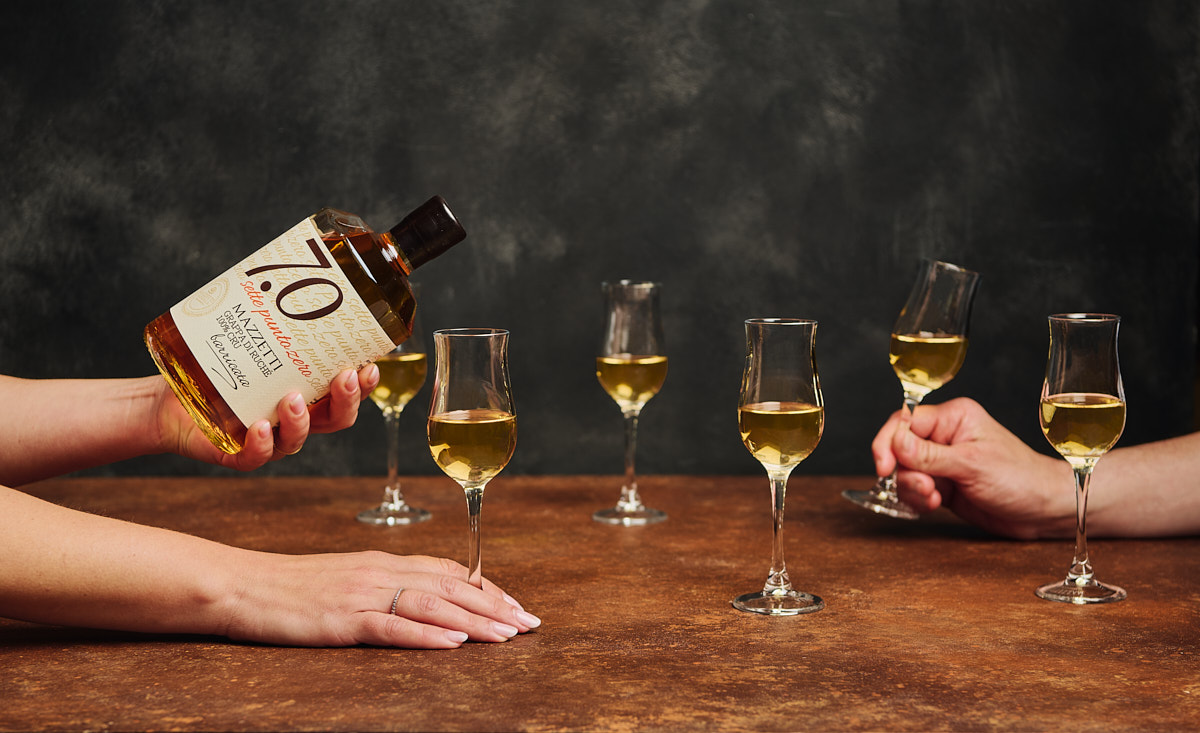
In some barrels — arriving from distant worlds after having hosted Port, Sherry, Bourbon or Vermouth di Torino — aging takes unexpected paths: these are our Barrel Finish.


The wood
The melody and the harmonics.
The vine is the melody. The wood is the harmonics: it accompanies, not overwhelms. Man chooses only the wood; everything else is done by nature: the plant, the fiber, the toasting of the barrel. An oak grown in the south is not an oak grown in the north—same word, two worlds.
For each grape variety, the choice is made with the palate, not in the lab. Long, sometimes very long, trials are necessary to achieve a distillate that retains its structure and gains depth.
Small, medium or large barrel: the closer the wood is, the more it speaks
Wide or narrow, it decides how much and how the wood yields
Work differently on each product: never overdo it
Since the 1960s
Beyond grappa

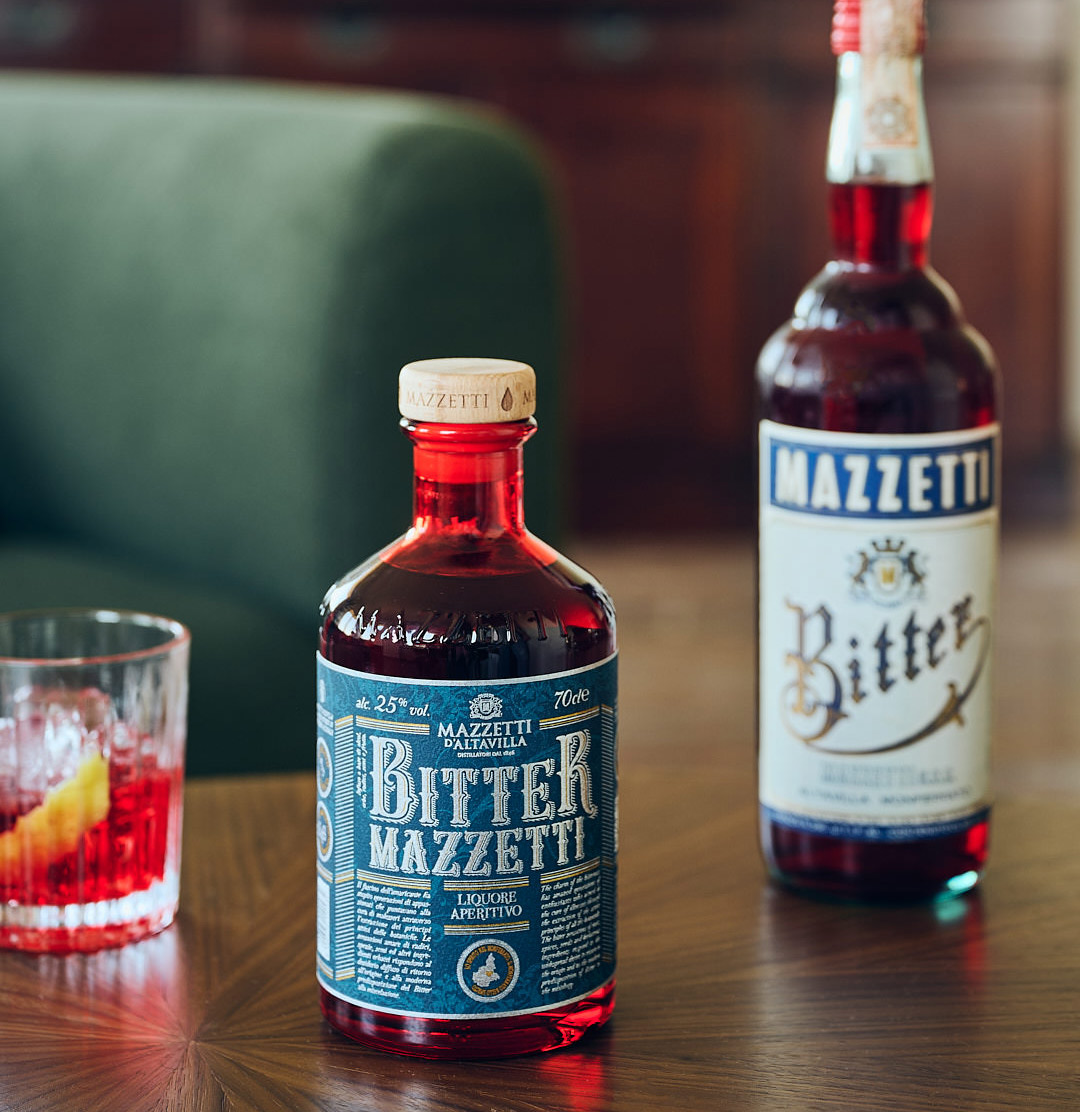
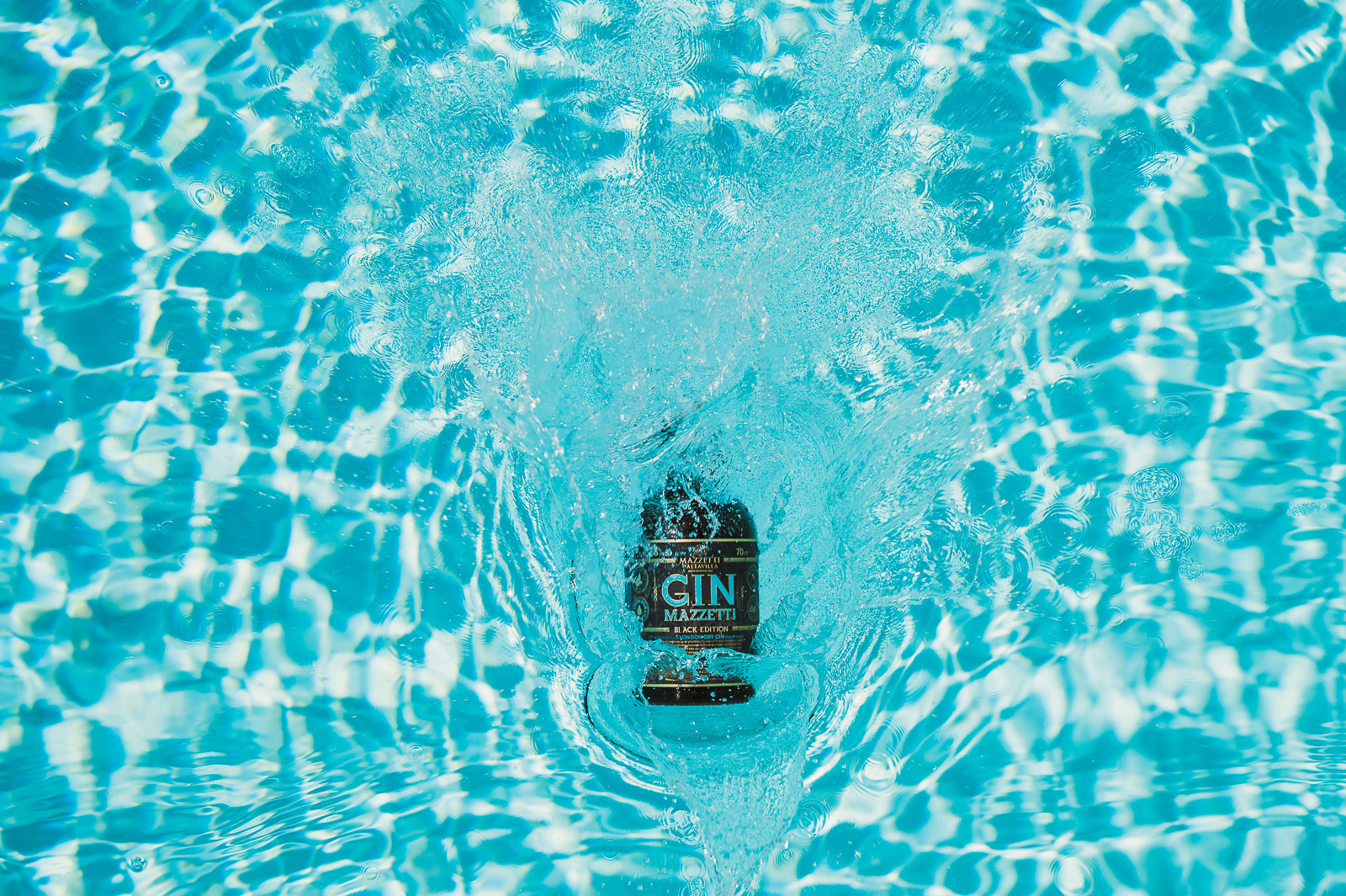
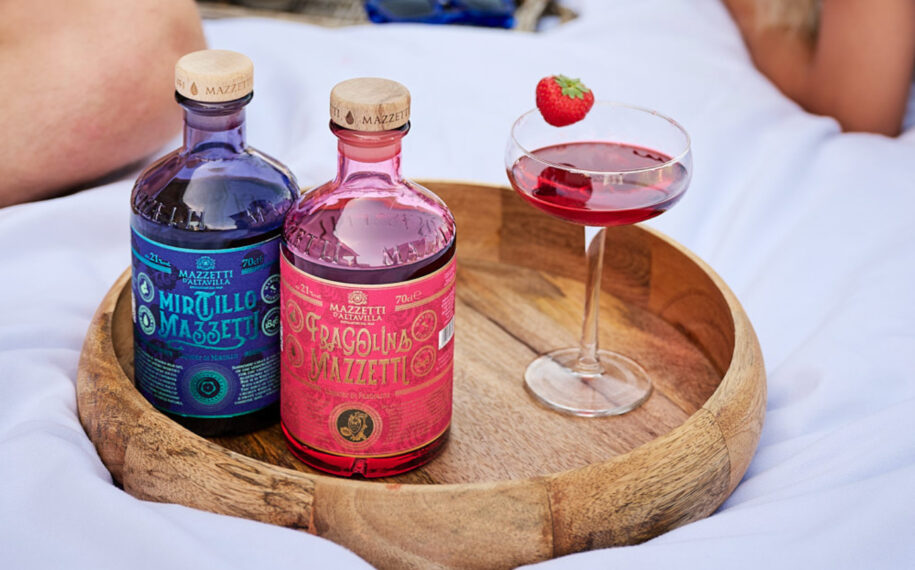
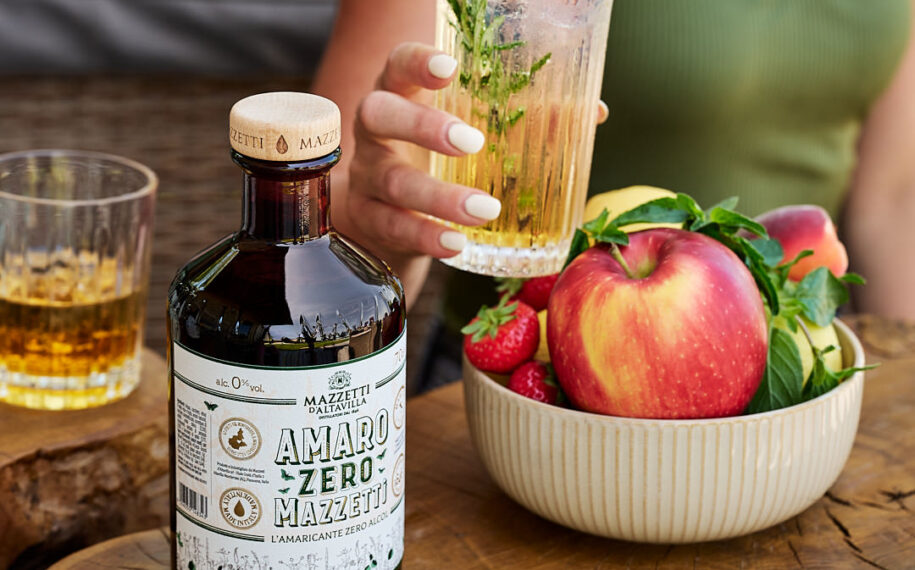
Grappa is the root, not the boundary. Gin, vermouth, liqueurs, and bitters are born first and foremost by listening to the drinker: the palate, the moment, the pleasure.
Raw materials are respected: essences used sparingly, never invasive. And if an extra step means losing a little of the finished product but gaining in finesse and quality, we'll do it.
Different languages, same hand.
Born to please.

The experience
Years of testing. No manual.
Nothing we do is written down anywhere. Every choice—which pomace, which method, which wood, how much time—comes from years of testing and wasting product to understand how to treat it perfectly.
It's a heritage that can't be bought and that passes from hand to hand, from those who were there before to those who are here today. And that's what you taste in the glass.
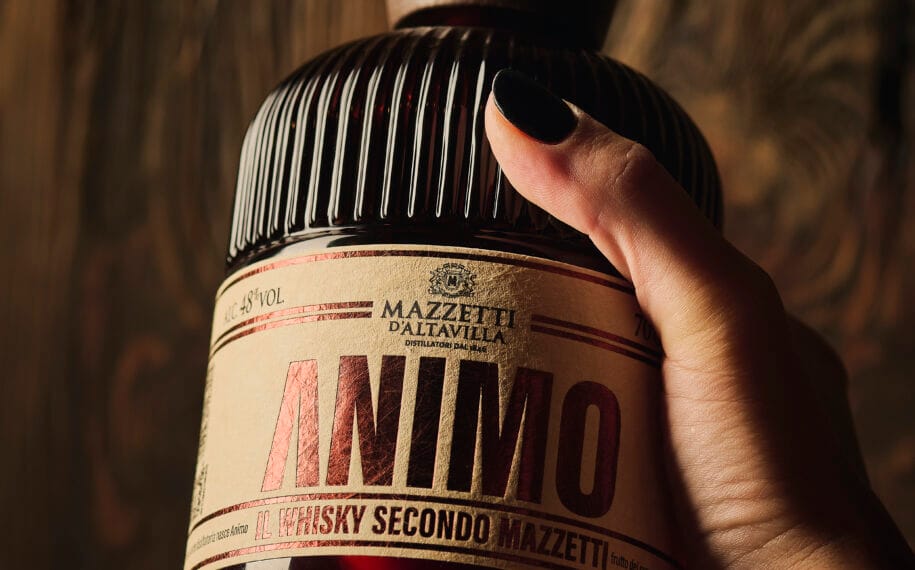
Our grappas, liqueurs, and new creations are recognized every year in national and international competitions—from the Alambicco d'Oro to the Grappa Award, to awards for innovation. The most important, however, remains the recognition of those who return to refill their glasses.
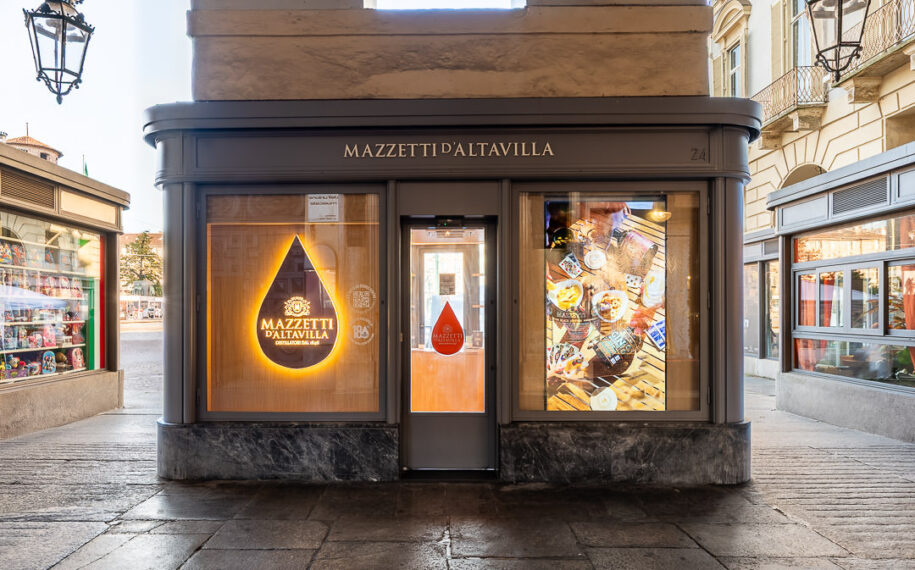
The best way to understand know-how is to see it. And taste it.