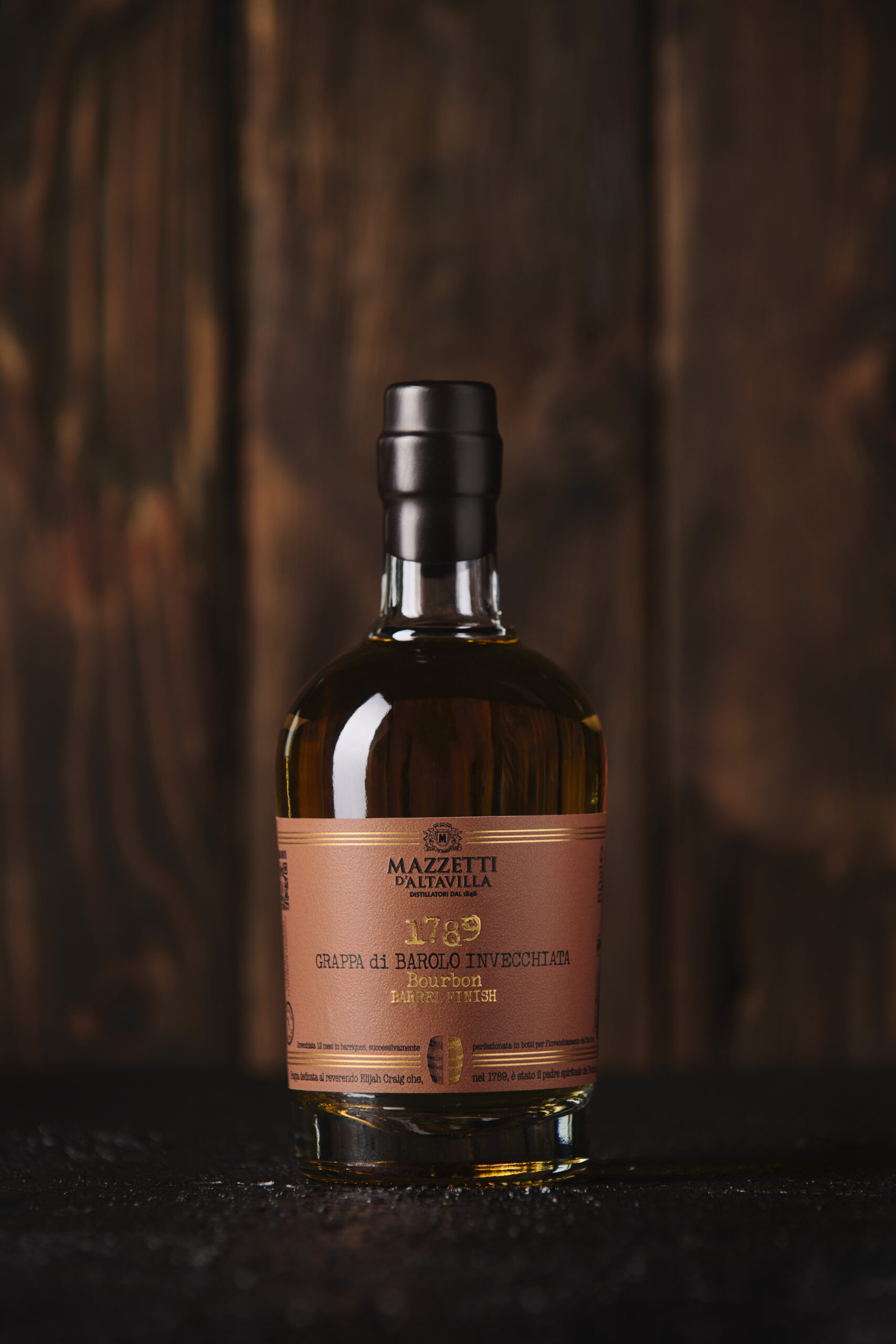
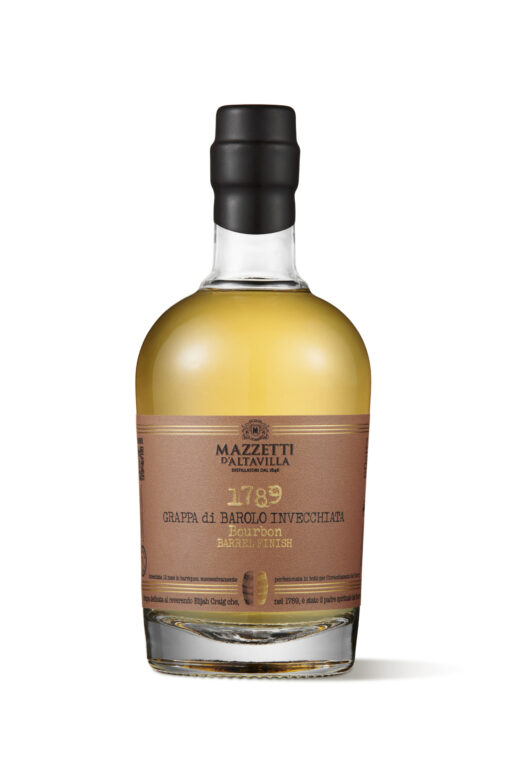
In 1789, while the French Revolution was raging in Europe, Reverend Elijah Craig first named his whiskey Bourbon. This is what American tradition has passed down to us today, consolidating the art of Bourbon production and increasingly identifying this whiskey as the authentic distillate of several states in the Federation. The magic of Bourbon maturation is based on the essential and refined contribution of wood essences: this whiskey, aged in barrels, sees the wood's increasingly complex olfactory and aromatic sensations mature, in addition to intensifying its color, reaching its typical dark amber hue. Just as Bourbon whiskey is the symbol of American distillation, similarly, internationally, Piedmont is associated with a name that has shaped the winemaking history of the Langhe hills: Barolo.
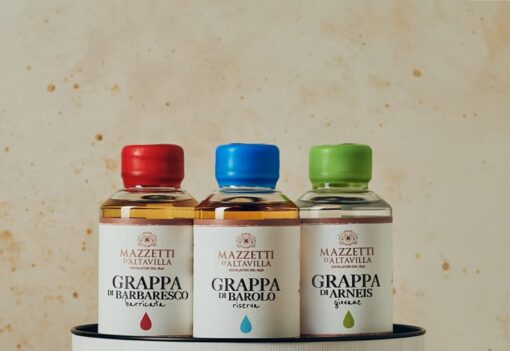
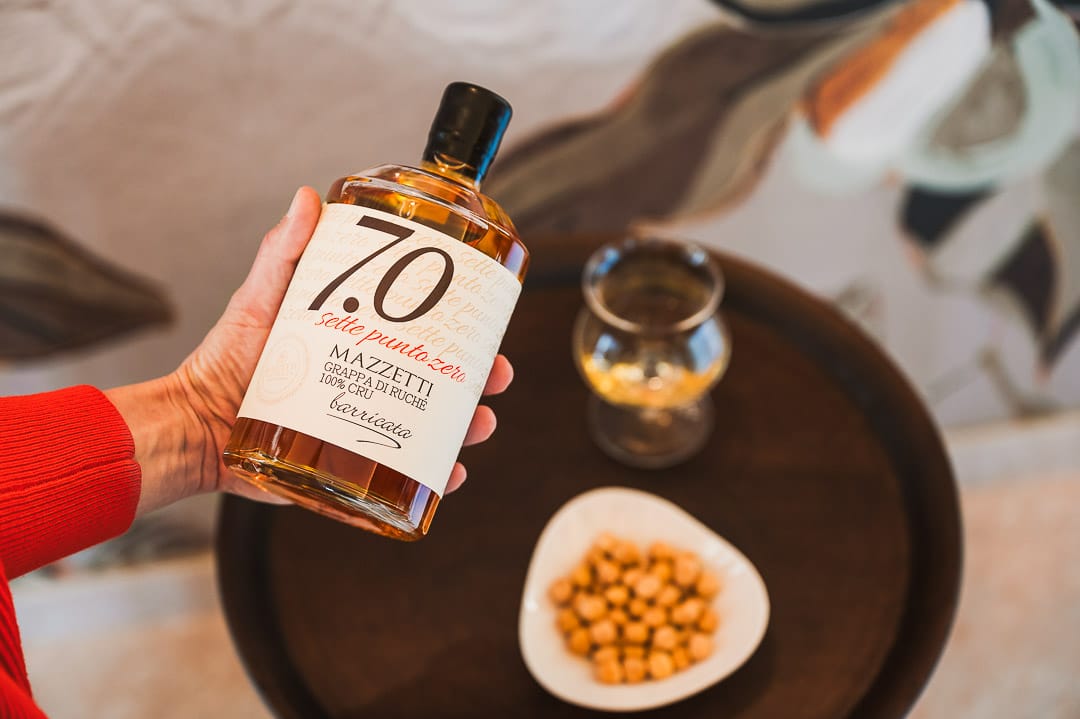
From the pomace of Nebbiolo grapes grown in the hills of the same name near Alba, one of the iconic spirits of the UNESCO World Heritage Site of the Langhe-Roero and Monferrato Vineyard Landscapes is obtained: Grappa di Barolo. Aged for over eighteen months in oak barrels, this distillate takes on the characteristic color, aromas, and flavors typical of a Riserva, highlighting spicy, toasted, and dried fruit notes. It is at this point that Grappa di Barolo meets the sensorial allure of American Bourbon Whiskey, creating a unique and surprising marriage: this highly representative spirit of Piedmontese dry grappas is transferred to barrels previously used for aging Bourbon Whiskey.
The Grappa di Barolo thus continues to refine, acquiring exceptional notes, capable of enhancing in a singular and inimitable way the distinct personality of this 100% Piedmontese distillate.